Advertiser Disclosure — This site may receive compensation when you click links and apply for credit cards. Compensation may impact which products appear and their placement. We strive to provide accurate information but cannot guarantee all details are current. Always verify terms with the card issuer before applying. Full disclosure
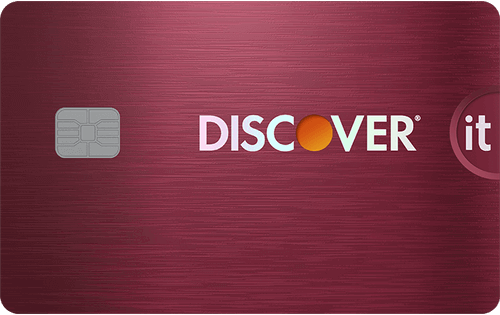
The best credit card for beginners in 2026 is the Discover it Secured
($0/yr annual fee, 1.0x base rewards). It accepts applicants with
no credit score required and has no annual fee, making it ideal for
building your credit history. We compared 15 beginner-friendly cards —
including secured credit cards, student cards, and no-fee options — across fees,
annual percentage rate, security deposit requirements, and signup bonus value.
Not sure which beginner card fits your situation?
Answer 3 quick questions and get a personalized recommendation.
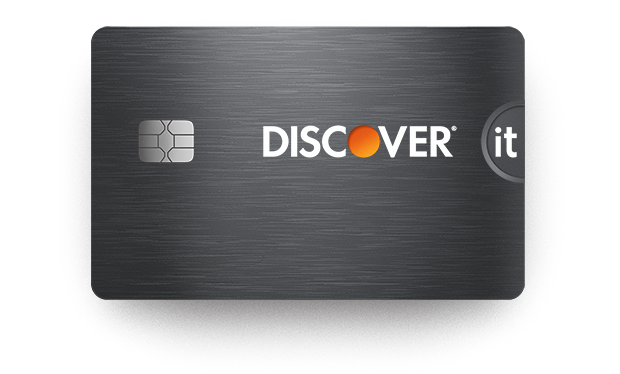
#1. Discover it Secured — Best for Beginners With No Credit History
The Discover it Secured from Discover carries no annual fee and earns 1.0x on all purchases. Credit required: no credit score required. The signup bonus (Cashback Match (first year)) adds extra value in year one. This card is a strong pick for beginners with no credit history because it has clear approval criteria and reports to all three major credit bureaus — Equifax, Experian, and TransUnion — which is essential for building a positive credit history quickly.
One downside: APR can be high if you carry a balance — pay in full each month to avoid interest.
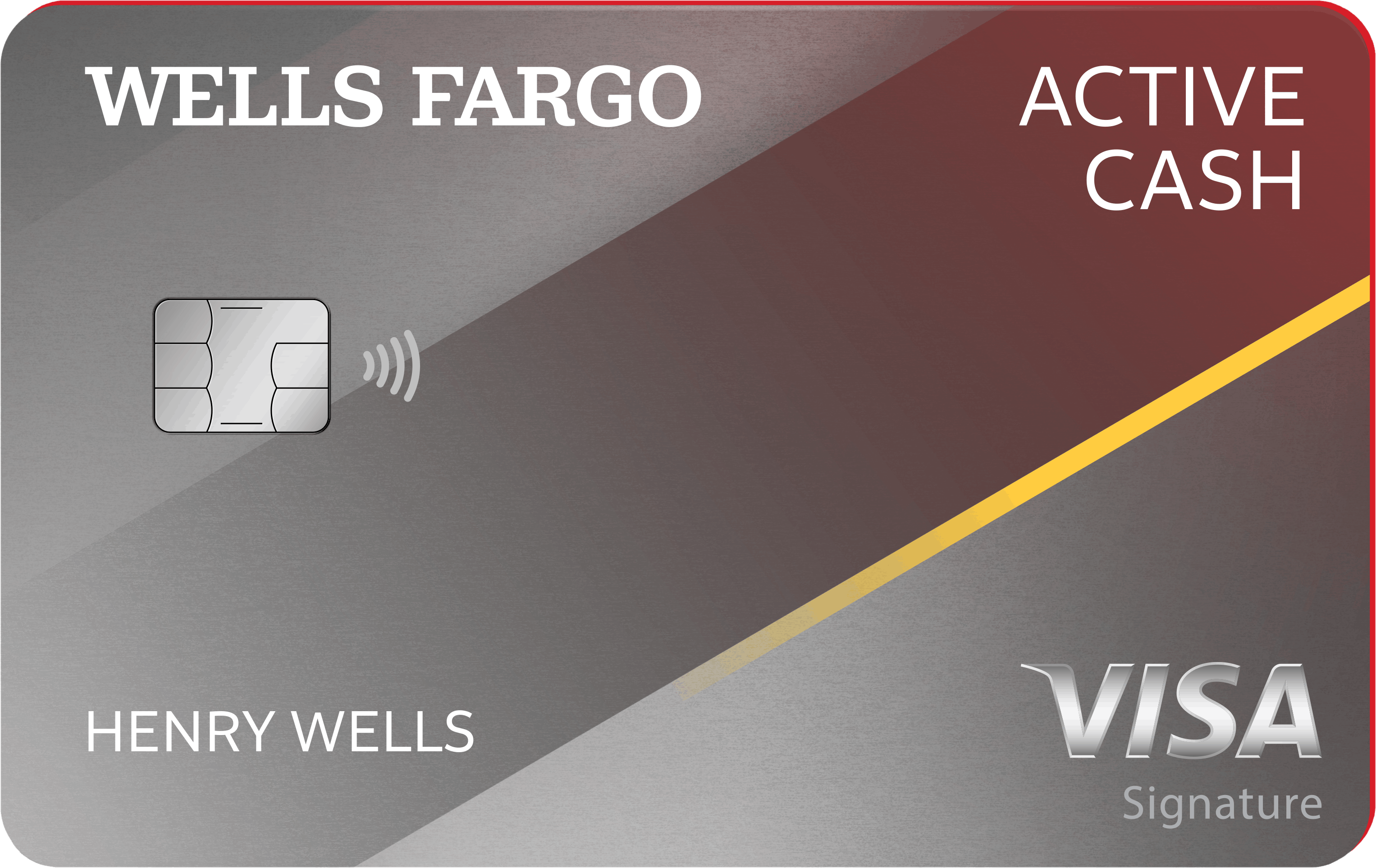
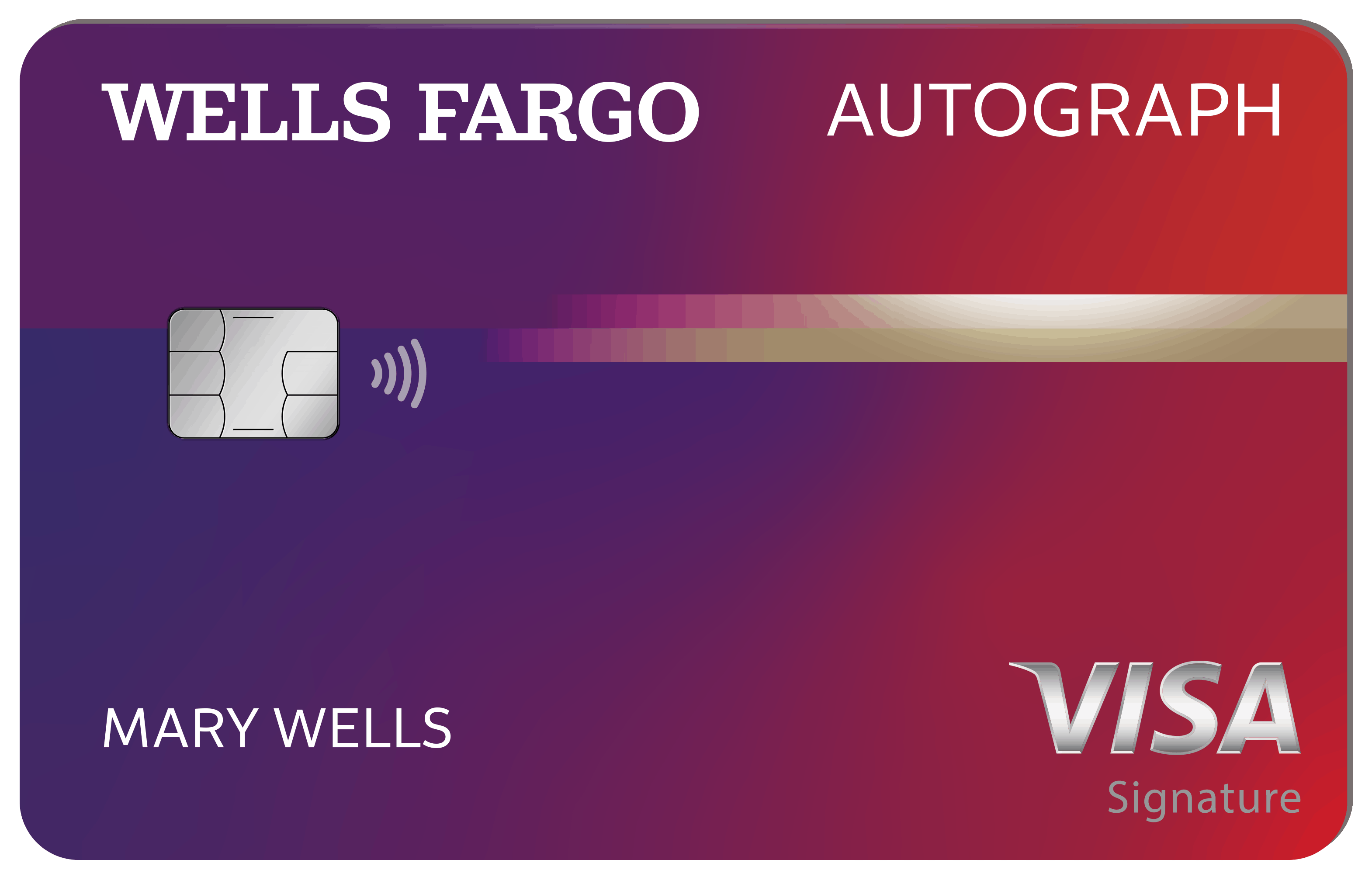
#2. Active Cash — Best for No-Fee Cashback Beginners
The Active Cash from Wells Fargo carries no annual fee and earns 2.0x on all purchases. Credit required: good credit. The signup bonus (20,000 points) adds extra value in year one. This card is a strong pick for no-fee cashback beginners because it has clear approval criteria and reports to all three major credit bureaus — Equifax, Experian, and TransUnion — which is essential for building a positive credit history quickly.
One downside: APR can be high if you carry a balance — pay in full each month to avoid interest.
#3. Freedom Unlimited — Best for No-Fee Cashback Beginners
The Freedom Unlimited from Chase carries no annual fee and earns 1.5x on all purchases. Credit required: good credit. The signup bonus ($200 cash back) adds extra value in year one. This card is a strong pick for no-fee cashback beginners because it has clear approval criteria and reports to all three major credit bureaus — Equifax, Experian, and TransUnion — which is essential for building a positive credit history quickly.
One downside: APR can be high if you carry a balance — pay in full each month to avoid interest.
#4. Petal 2 Visa Credit Card — Best for Beginners With No Credit History
The Petal 2 Visa Credit Card from Petal carries no annual fee and earns 1.0x on all purchases. Credit required: no credit score required. This card is a strong pick for beginners with no credit history because it has clear approval criteria and reports to all three major credit bureaus — Equifax, Experian, and TransUnion — which is essential for building a positive credit history quickly.
One downside: APR can be high if you carry a balance — pay in full each month to avoid interest.
#5. Capital One Platinum Secured — Best for Beginners With No Credit History
The Capital One Platinum Secured from Capital One carries no annual fee. Credit required: no minimum credit score. This card is a strong pick for beginners with no credit history because it has clear approval criteria and reports to all three major credit bureaus — Equifax, Experian, and TransUnion — which is essential for building a positive credit history quickly.
One downside: No rewards program — this card is purely for building credit, not earning cashback.
Picking your first credit card comes down to matching the card type to your current situation.
If you have no credit history at all, start with secured credit cards
— they require a refundable security deposit in exchange for a credit limit, and most have no annual fees.
If you have a thin file (fewer than 3 accounts), look for cards that explicitly state no credit score required.
The most important factors to compare when choosing your first card: annual fees (keep it $0),
the annual percentage rate if you might carry a balance, whether the issuer reports to all three
credit bureaus, and the credit limit you can expect. A higher credit limit helps you maintain
low credit utilization — the second-biggest factor in your score.
Your financial goals should also drive the decision. If you plan to apply for an auto loan in
12 months, prioritize a card that reports to all bureaus and has a clear graduation path from
secured to unsecured. If you want rewards from day one, look for cards with at least 1% cashback
on everyday purchases. See our full guide:
How to Get Your First Credit Card.
How to Build Credit With Your First Card
Payment history accounts for 35% of your FICO score — the largest single factor.
Setting up autopay for at least the minimum payment ensures you never miss a due date,
even if you forget. Ideally, pay the full statement balance each month to avoid interest charges.
A single 30-day late payment can drop your score by 50-100 points and stays on your credit
report for seven years.
Credit utilization — how much of your available credit limit you use — makes up 30% of your score.
Keep your balance below 30% of your credit limit at all times, and ideally below 10% for the
fastest score improvement. On a $500 limit card, that means keeping your balance under $50-150.
Use the card for everyday purchases like gas and groceries, then pay it off immediately.
Building a positive credit history takes time, but the habits you form in year one matter most.
Avoid closing your first card even after you get better ones — older accounts improve your
average account age. For more strategies, read our guides on
how to build credit
and the
credit card mistakes beginners make.
Frequently Asked Questions
What is the best credit card for beginners? +
The Discover it Secured is our top pick for beginners in 2026. It requires no credit score and charges no annual fee, making it ideal for someone building credit from scratch. Other strong options include the Capital One Platinum Secured and Petal 2 Visa.
What is the easiest credit card to get approved for? +
Secured credit cards are the easiest to get approved for because they require a security deposit instead of a high credit score. The Discover it Secured and Capital One Platinum Secured both accept applicants with no credit history at all.
How fast can I build my credit from 500 to 700? +
Moving from 500 to 700 typically takes 12 to 24 months with consistent on-time payments and low credit utilization (under 30%). Paying your full balance each month and avoiding new hard inquiries accelerates the process.
What is the 2/3/4 rule for credit cards? +
The 2/3/4 rule is a Bank of America guideline limiting new card approvals: no more than 2 new cards in 2 months, 3 cards in 12 months, or 4 cards in 24 months. It only applies to Bank of America cards, not cards from other issuers.
What is the golden rule of credit cards? +
The golden rule is simple: never carry a balance. Pay your statement balance in full every month before the due date. This avoids interest charges entirely and keeps your credit utilization low, which is the second-biggest factor in your credit score.
What is a starter credit card? +
A starter credit card is designed for people with limited or no credit history. These cards typically have no annual fee, lower credit limits, and easier approval requirements. Secured cards, student cards, and cards with no credit score requirement all qualify as starter credit cards.
Which credit card can you get immediately? +
Some issuers provide instant card numbers after approval for online and in-app purchases. Discover and Capital One both offer this feature on select cards. The physical card typically arrives within 7-10 business days.
What credit card has a $2,000 limit with bad credit? +
Secured cards typically set your credit limit equal to your security deposit, so depositing $2,000 often gets you a $2,000 limit. The Capital One Platinum Secured is notable for allowing a minimum $49 deposit while granting a $200 limit — the highest initial limit relative to deposit.
What brings your credit score up the fastest? +
The fastest improvements come from: (1) paying down credit card balances to lower your utilization rate, (2) getting added as an authorized user on an older account, and (3) correcting errors on your credit report. Payment history takes longer to improve because it requires months of on-time payments.
What are 5 disadvantages of credit cards? +
Five key disadvantages: (1) High interest rates if you carry a balance — often 20-30% APR. (2) Risk of overspending beyond your means. (3) Late payment fees that hurt your credit score. (4) Annual fees on premium cards. (5) Fraud risk, though federal law limits your liability to $50.
How long would it take a beginner to reach a 700 credit score? +
Starting from no credit history, reaching 700 typically takes 1 to 2 years with responsible use of one or two cards. The key milestones are: 6 months to establish a score, 12 months to reach fair territory (600-670), and 18-24 months of on-time payments to cross 700.
How rare is an 800 credit score? +
An 800+ credit score puts you in the top 22% of Americans, according to FICO data. These scores require a long credit history (7+ years), very low utilization, and zero late payments. From a beginner baseline, expect 5-10 years of responsible credit use to reach this level.
What is the 2-2-2 credit rule? +
The 2-2-2 rule is a general guideline, not an official bank policy: wait 2 months after opening a new card before applying again, keep total cards to 2 per year, and maintain 2 years of credit history before applying for premium cards. It helps beginners pace their credit applications to avoid hurting their score.
Add this beginner card comparison to your website or blog:
<iframe src="https://www.pointspick.com/best-credit-card-for-beginners" width="100%" height="600" frameborder="0" title="Best Credit Cards for Beginners"></iframe>
Our Methodology
Our beginner card rankings use a composite scoring model that weights credit accessibility
(40 points), no annual fee (20 points), signup bonus presence (10 points), rewards rate
(15 points), issuer reputation (10 points), and editorial curation (15 points).
We pull data from 35+ independent verified sources.
Rankings are computed algorithmically with no affiliate influence on placement.
Last verified: April 2026.
Full methodology.
PointsPick may earn a commission when you apply through our links.
Full disclosure