Credit Card How to Dispute a Charge Guide
Updated April 2026 • PointsPick Editorial Team
When to Dispute a Charge
Dispute a charge when you see unauthorized purchases you did not make, a merchant charged you twice (duplicate charge), you were charged for goods or services not received, a refund was promised but never posted, or the charge amount is different from what you authorized. Do not dispute charges for purchases you simply regret or forgot about — that is not what chargebacks are for.
How to Dispute a Charge Step by Step
First, try to resolve the issue directly with the merchant. If the merchant refuses or does not respond within 7-10 days, contact your card issuer. Call the number on the back of your card or log in online to initiate a dispute. Provide the transaction date, amount, merchant name, and reason for dispute. Your issuer will typically issue provisional credit while investigating.
What Happens After You File a Dispute
The issuer contacts the merchant through the card network's dispute resolution process. The merchant has 30-45 days to respond. If the merchant cannot provide sufficient evidence, the chargeback is decided in your favor. The investigation typically takes 30-90 days total.
What Documentation to Keep
Keep all receipts, order confirmations, and email correspondence with the merchant. Screenshot any chat logs or written evidence. If returning merchandise, use certified mail and keep the tracking number. The more documentation you provide, the faster and more favorably your dispute resolves.
How to Dispute a Charge Checklist
- Save all receipts and order confirmations
- Contact the merchant first before disputing
- File dispute within 60 days of statement date
- Document all communication with the merchant
- Check for provisional credit after filing
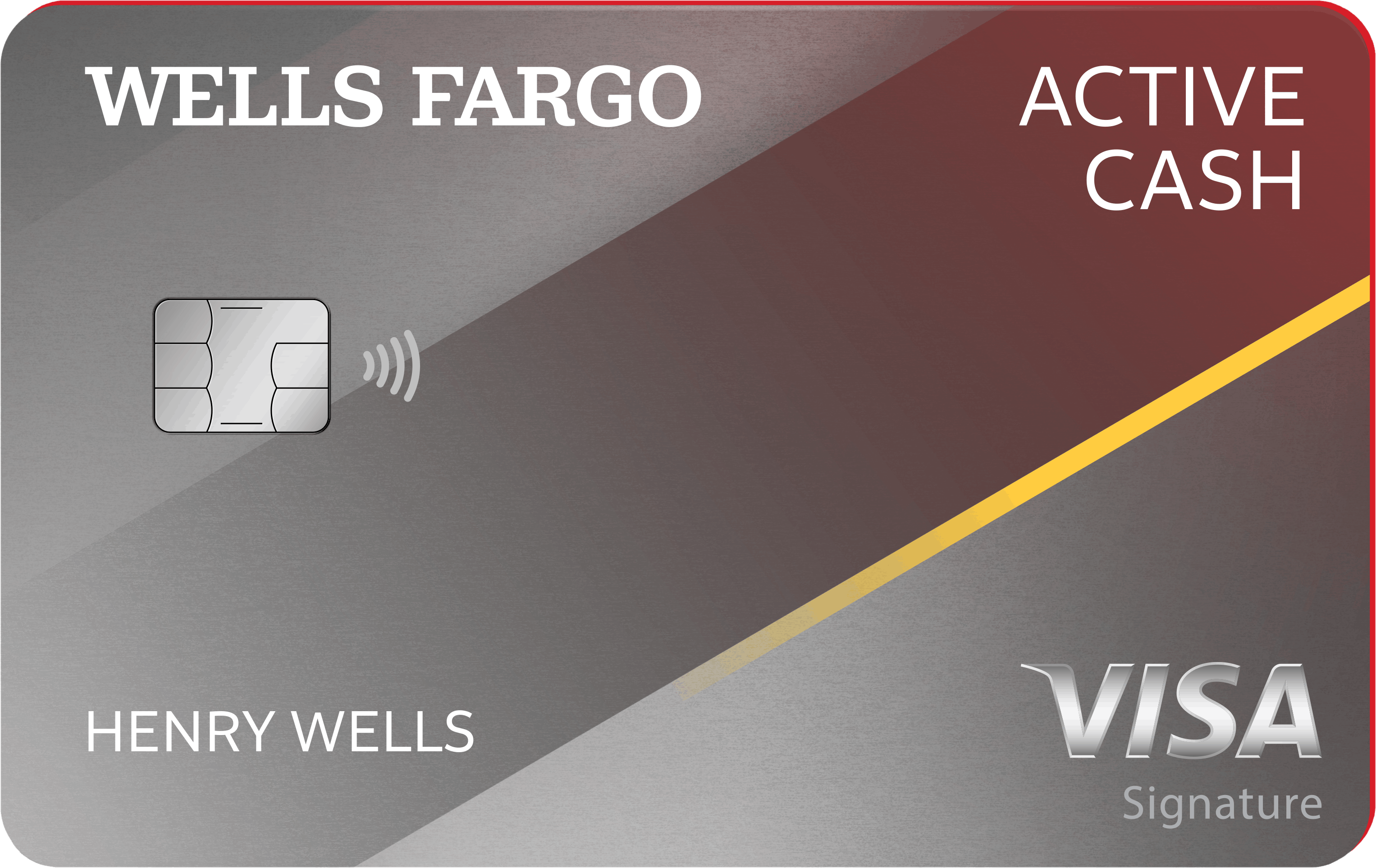
Best Credit Cards With Strong Security




Frequently Asked Questions
How long do I have to dispute a credit card charge?
You have 60 days from the statement date when the charge appeared to file a dispute under the Fair Credit Billing Act. Many issuers extend this window voluntarily.
Will disputing a charge hurt my credit?
No. Disputing a charge does not affect your credit score. It is a protected consumer right under federal law.
What is the difference between a dispute and a chargeback?
A dispute is the process you initiate with your card issuer. A chargeback is the mechanism the card network uses to reverse funds from the merchant. They are part of the same process.
What if my dispute is denied?
You can request a re-investigation with additional documentation. You can also file a complaint with the Consumer Financial Protection Bureau (CFPB) if you believe the decision was incorrect.
Can merchants fight chargebacks?
Yes. Merchants have the right to respond to chargebacks with documentation showing the transaction was authorized. Approximately 30-40% of chargebacks are reversed in the merchant's favor.